
SMALL IS BEAUTIFUL
Walk down any UK high street or open any delivery app and the shift is unmistakable: customers are eating differently.
The cause isn’t a fleeting diet trend – it’s the rapid adoption of GLP‑1 and dual‑agonist medicines. As these appetite‑reducing treatments become more common for diabetes and weight management, they’re reshaping eating frequency, portion size and nutritional priorities.
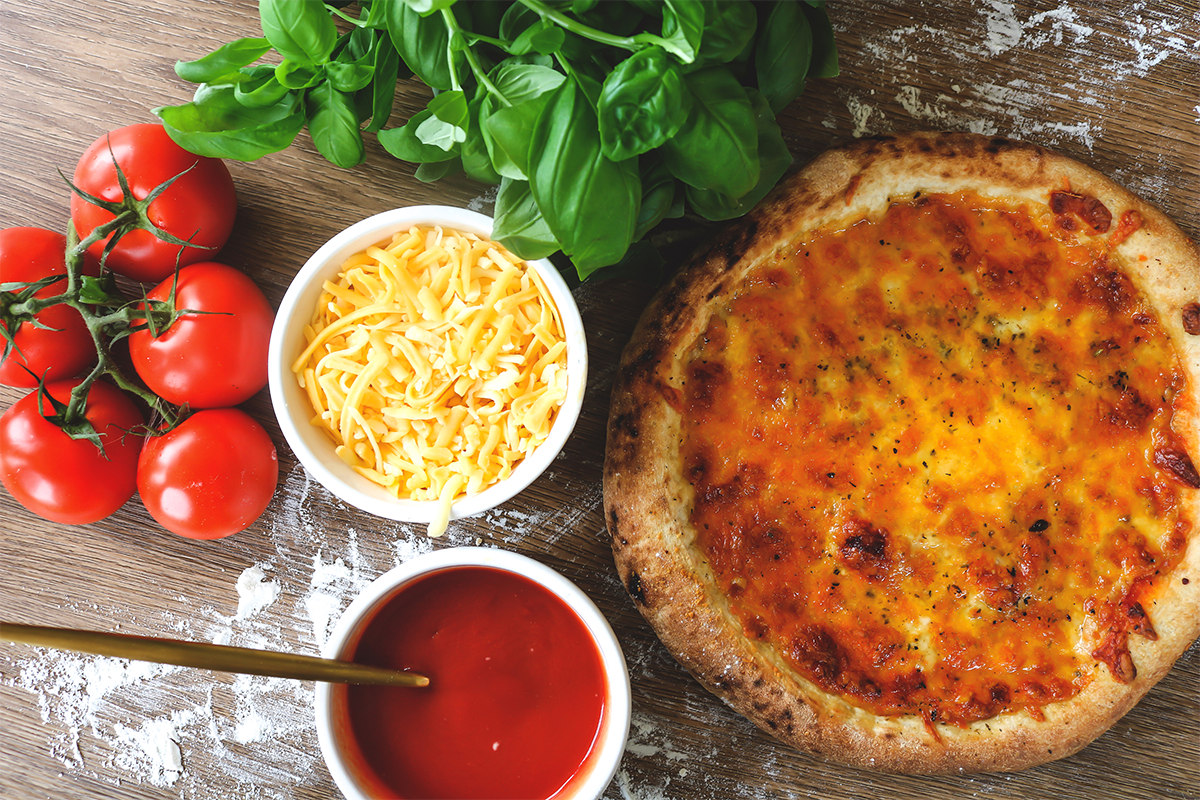
And for pizza and pasta operators, this isn’t a headwind; it’s a strategic opportunity. Smaller portions, higher nutrient density and protein‑first choices align naturally with formats that the categories can evolve towards.
So, what are GLP‑1 users doing differently? Across UK retail and foodservice insights, three consistent behavioural changes stand out:
- Portions shrink. GLP‑1 users eat fewer meals and smaller servings.
- Nutrition quality rises. A shift towards nutrient‑dense foods – especially those high in protein, fibre and hydration cues – seeking more satiety per bite.
- Spend reallocation. Budgetary move away from ultra‑processed snacks and sweet bakery towards main meals that offer functional value and better macros.
Together, these trends create a clear opportunity for more satisfying, macro‑balanced pizza and pasta – comfort foods that still fit comfortably into reduced‑intake lifestyles.
PROTEIN POWER
When total food intake falls, maintaining lean mass and covering essential nutrients becomes more important.
Clinical guidance consistently recommends higher protein – around 20 to 30g per meal – to support muscle preservation during weight loss. Yet early data from clinical trials has shown that many GLP‑1 users unintentionally fall short on protein simply because appetite is reduced.
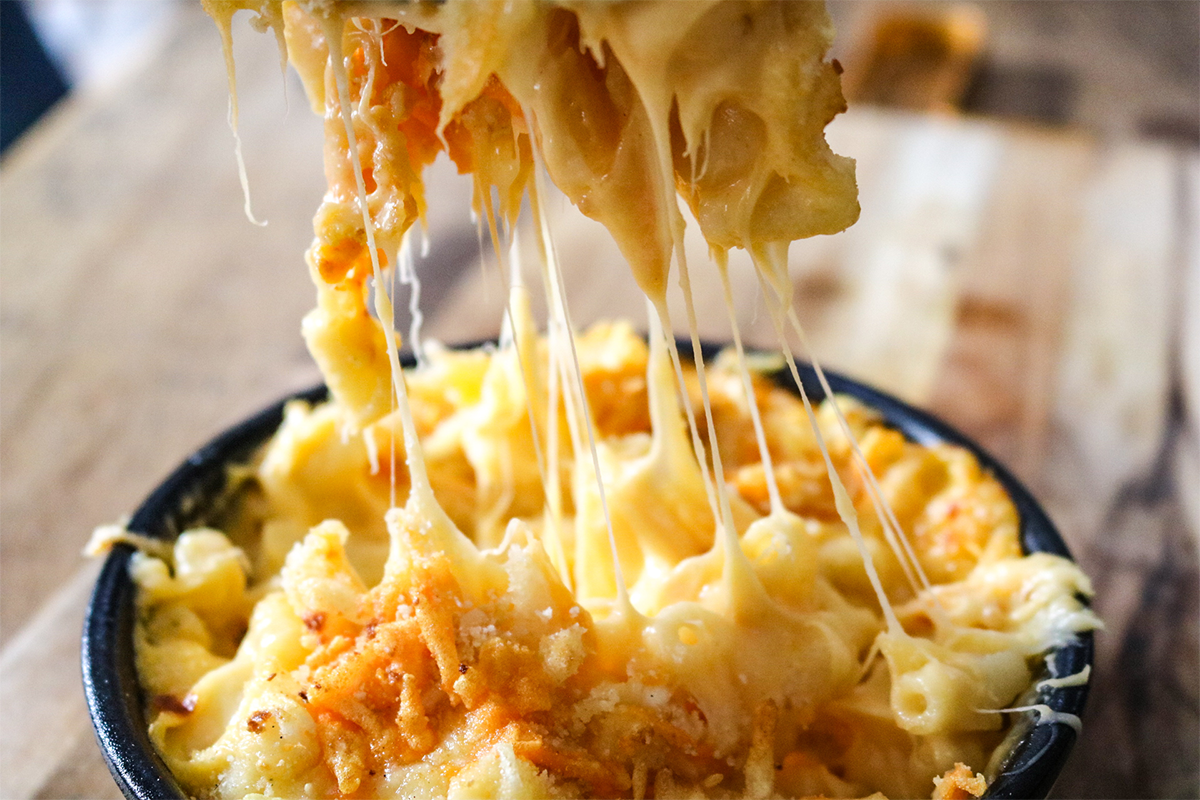
That makes protein‑dense, convenient, familiar mains incredibly valuable. Pizza and pasta already deliver the comfort and versatility people love – and now they can deliver the nutrition they need.
So, how can pizza & pasta evolve?
Several practical adjustments can reposition the category for the GLP‑1 era:
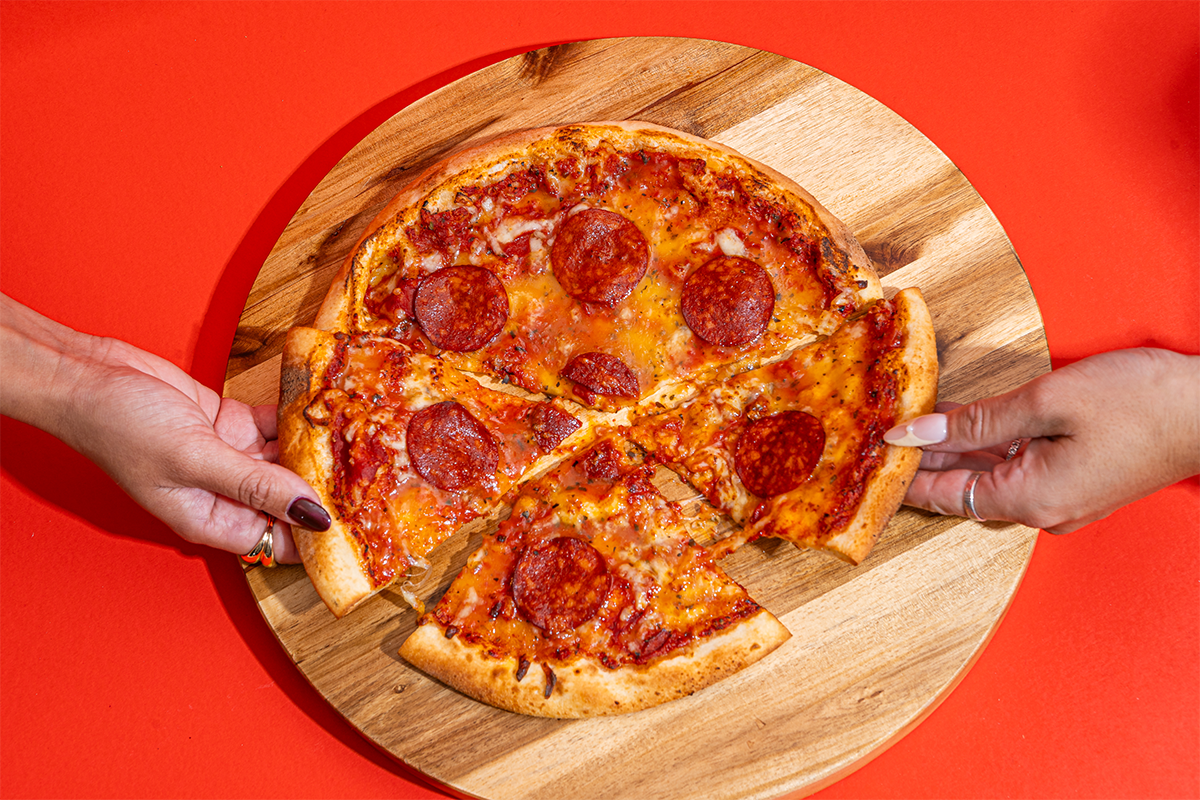
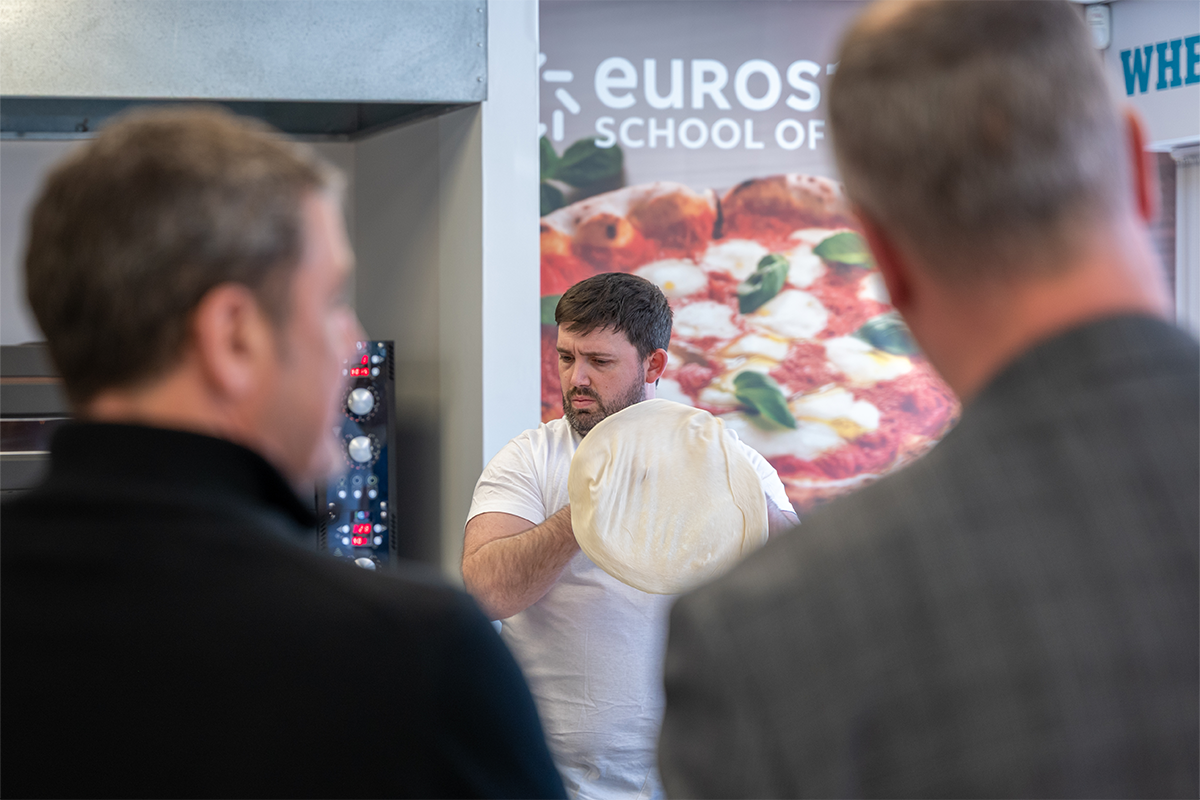
- Protein‑enriched doughs (using whey or pea protein) boost the base without affecting texture or bake quality.
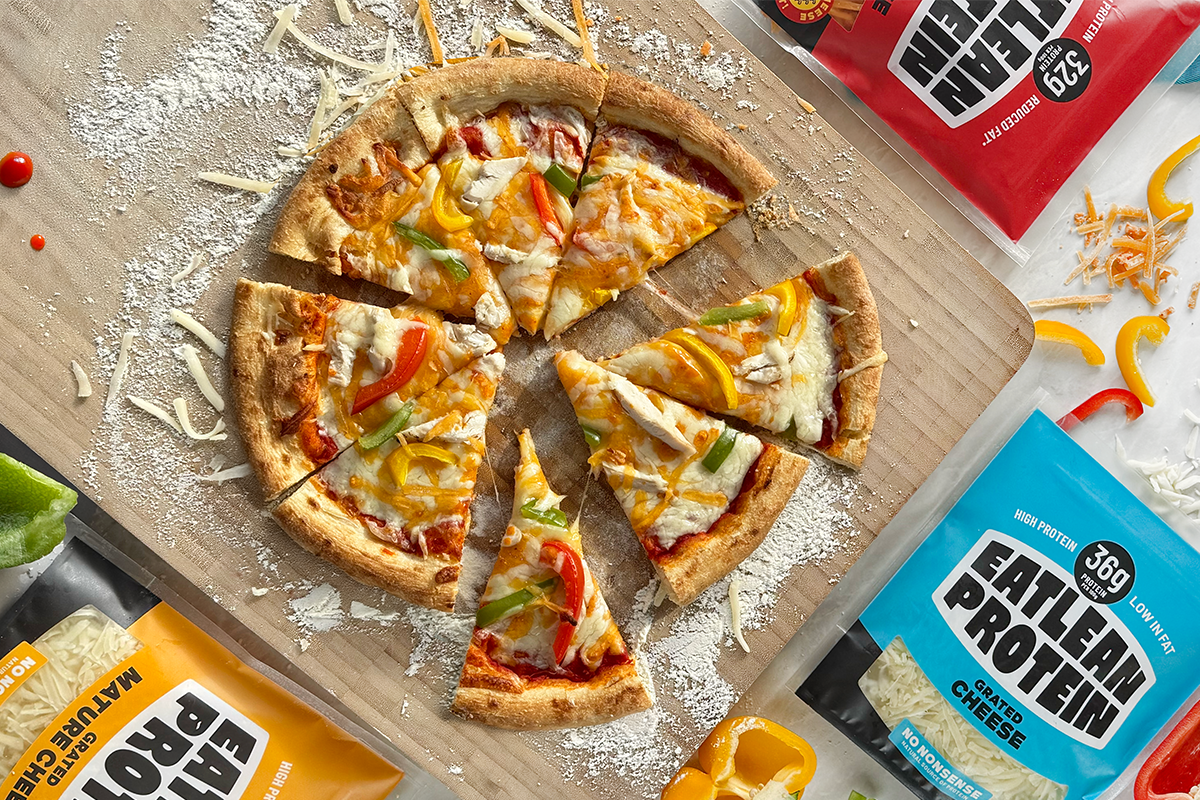
- Higher‑protein cheeses like Eatlean™ deliver cleaner macros while maintaining melt, stretch and flavour.
- Lean, protein‑rich toppings – grilled chicken, prawns, tuna, turkey pepperoni or lentil‑based ragù – enable ‘protein stacking’ without driving up portion size.
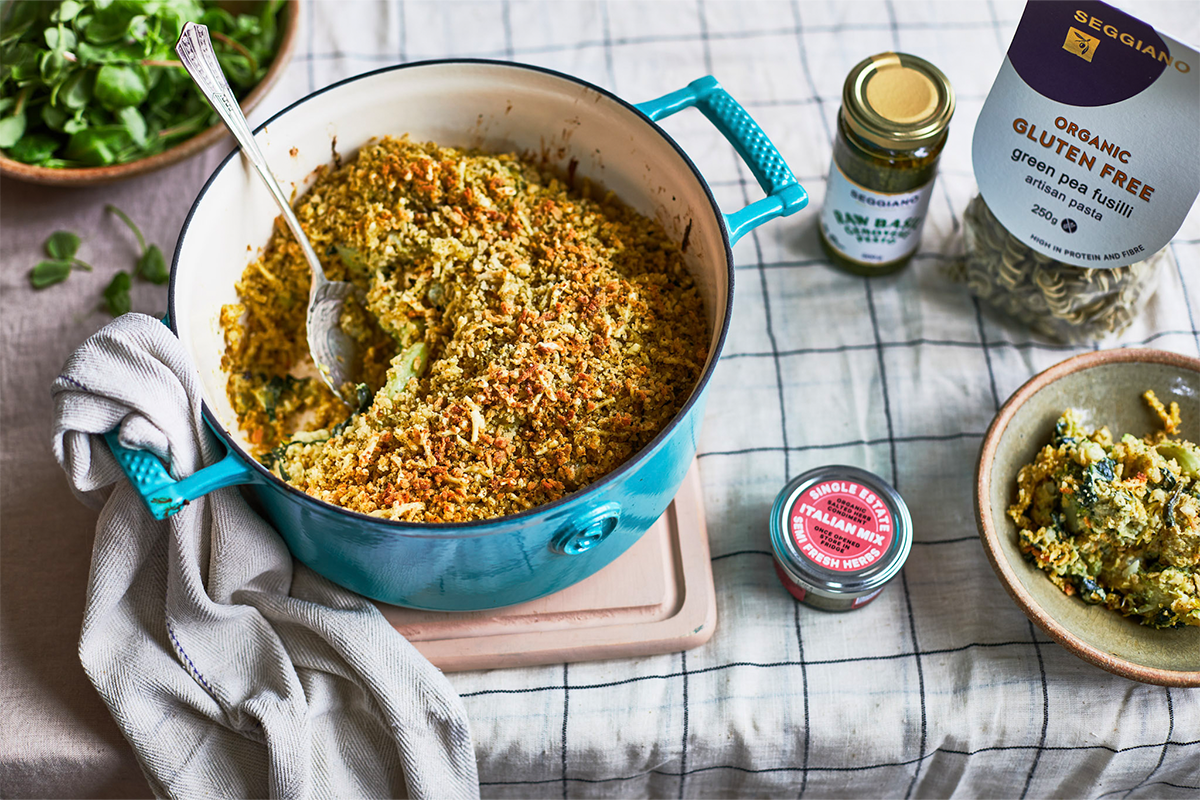
- Smaller, smarter formats. Personal 8-9” pizzas, slicing or half‑portion pastas paired with a protein side match reduced appetites while maintaining satiety.
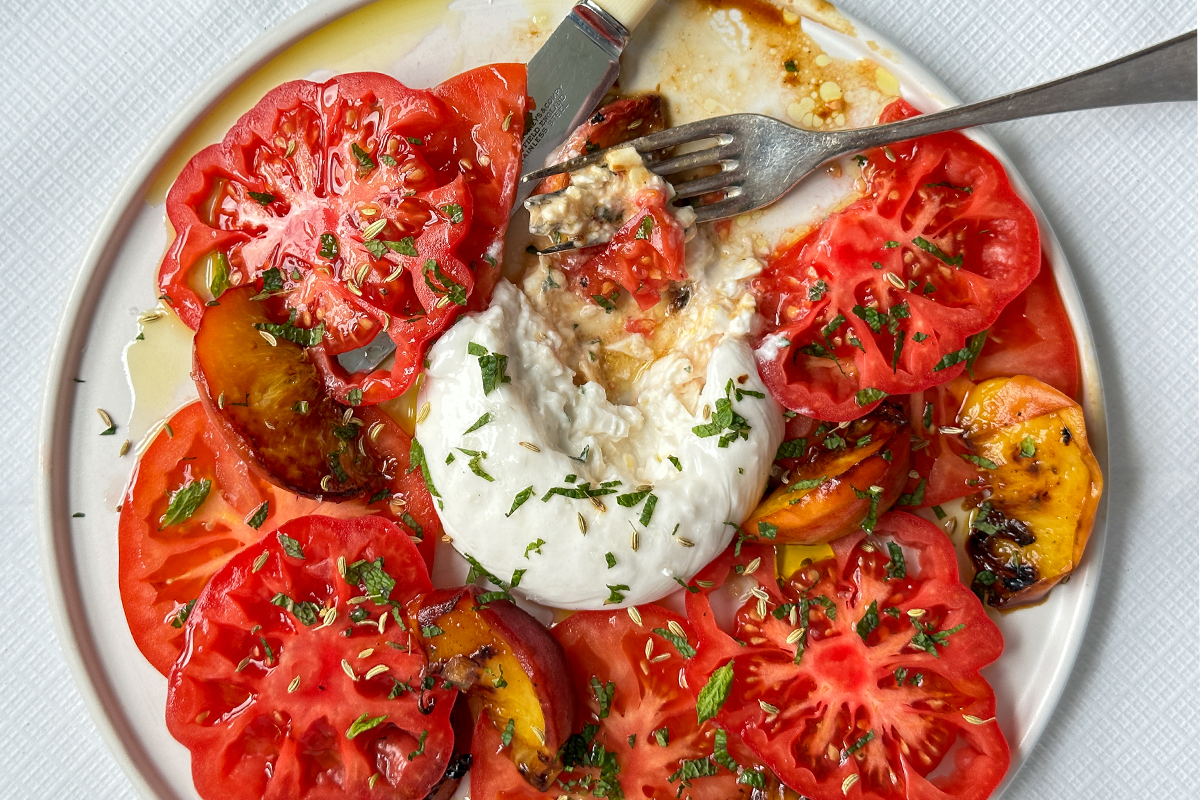
- Fibre‑rich veg and lighter sauces support digestion and hydration, which many GLP‑1 users prioritise.
EASY SWITCH
Adoption can be simple: start with partial cheese swaps, pilot a protein dough on core SKUs, and label outcomes clearly (protein grams, fibre, calories) rather than using medicalised language.
Bundle ‘protein lunch’ sets for value and portion control. Brief staff to explain the satiety and nutritional logic without making health claims. Even small changes, rolled out intentionally, can create meaningful menu differentiation.
The winners in pizza and pasta will be those who bake modern nutrition into classic formats, maintaining comfort while delivering better macros in smaller servings.
In a market where consumers are eating less but expecting more from every bite, protein‑smart, portion‑right pizza and pasta can meet the moment and capture the next major growth curve for the category. And Eatlean™ Protein Cheese’s high‑protein, low‑fat melt and stretch make it the ideal mozzarella swap for adding nutritional density without heaviness.
Contact Eatlean™ to accelerate your menu upgrade reformulations and help deliver clear nutritional wins on menus and on-pack. Visit eatlean.com.