BROADER QUESTIONS
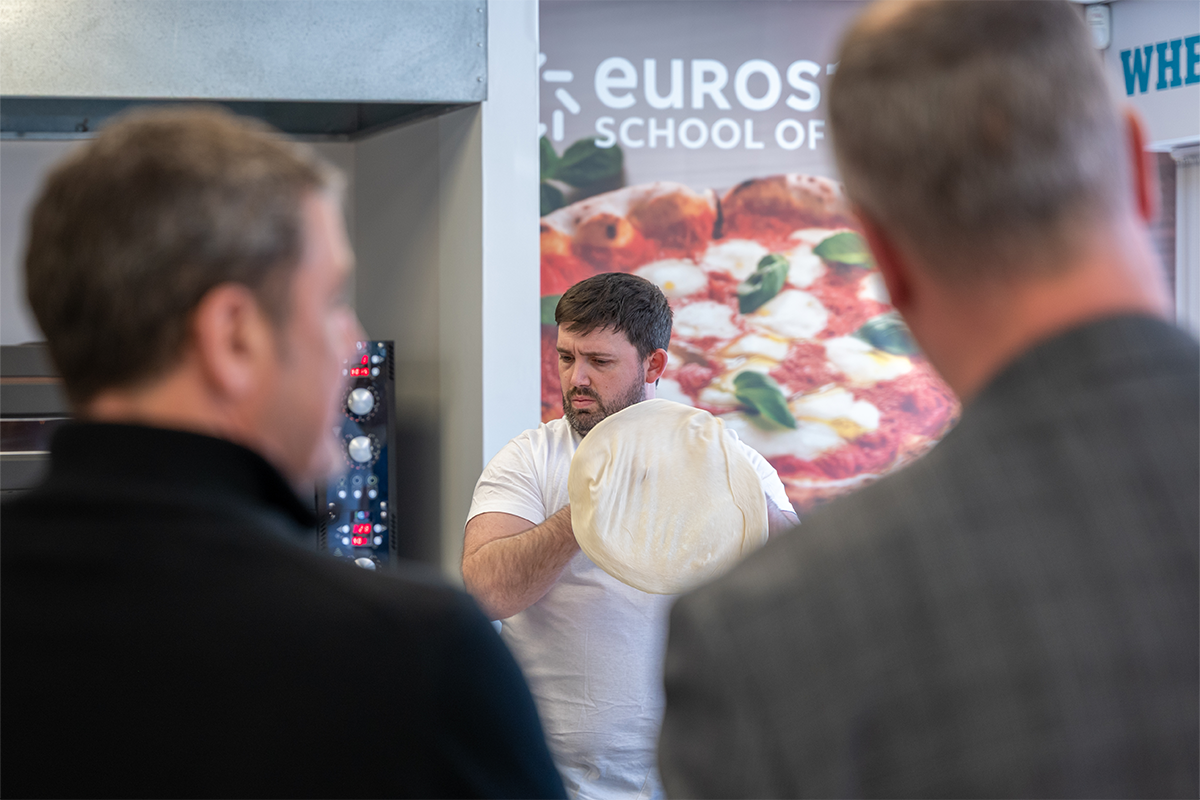
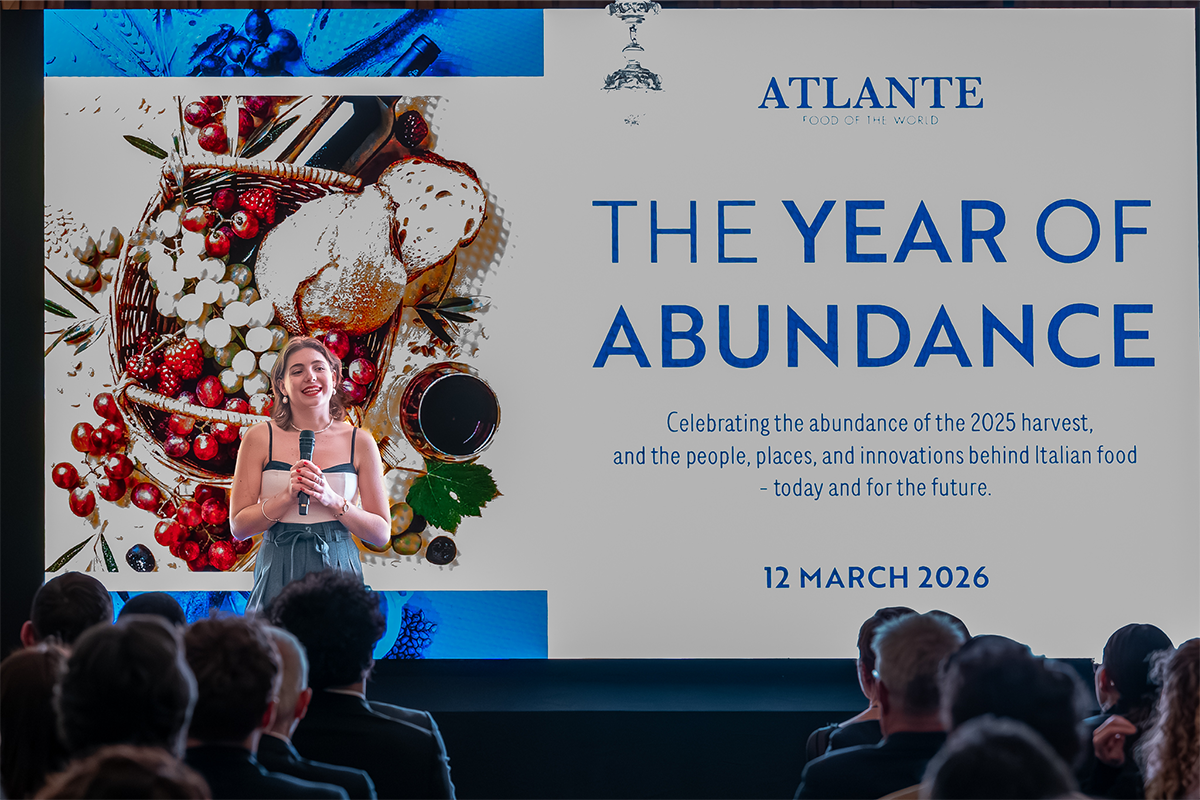
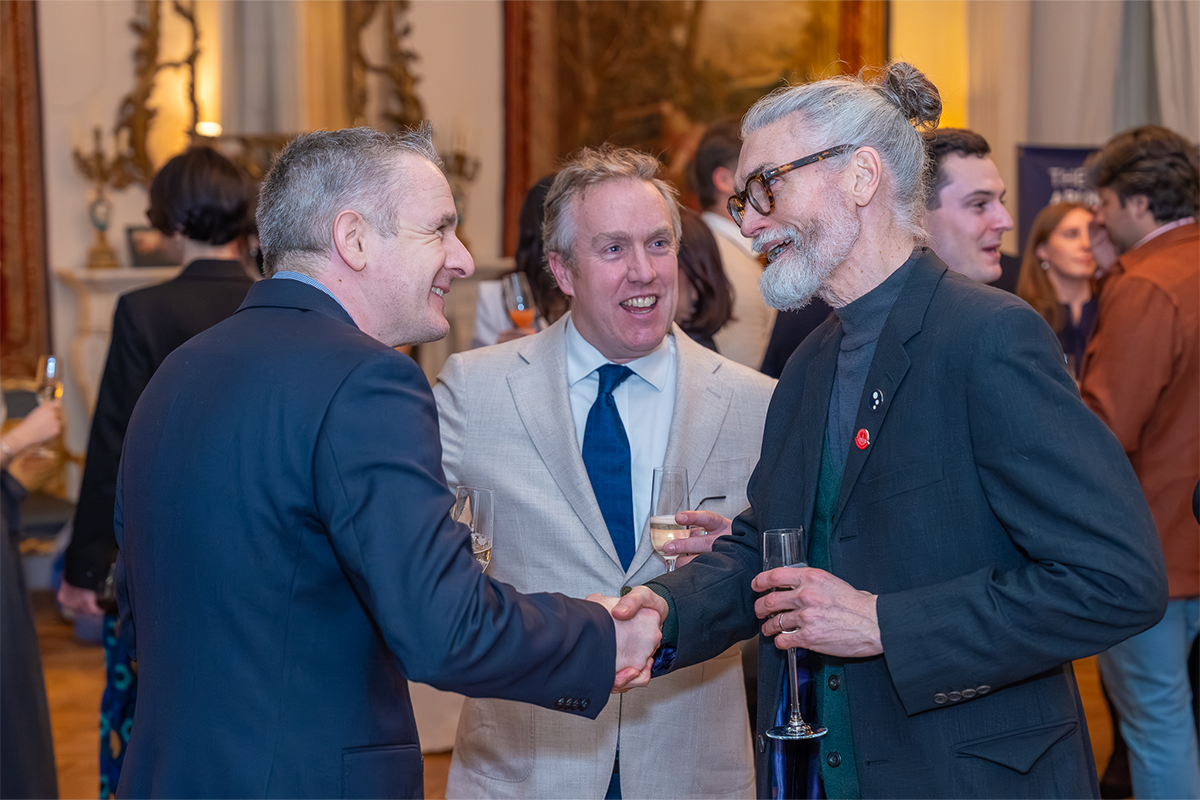
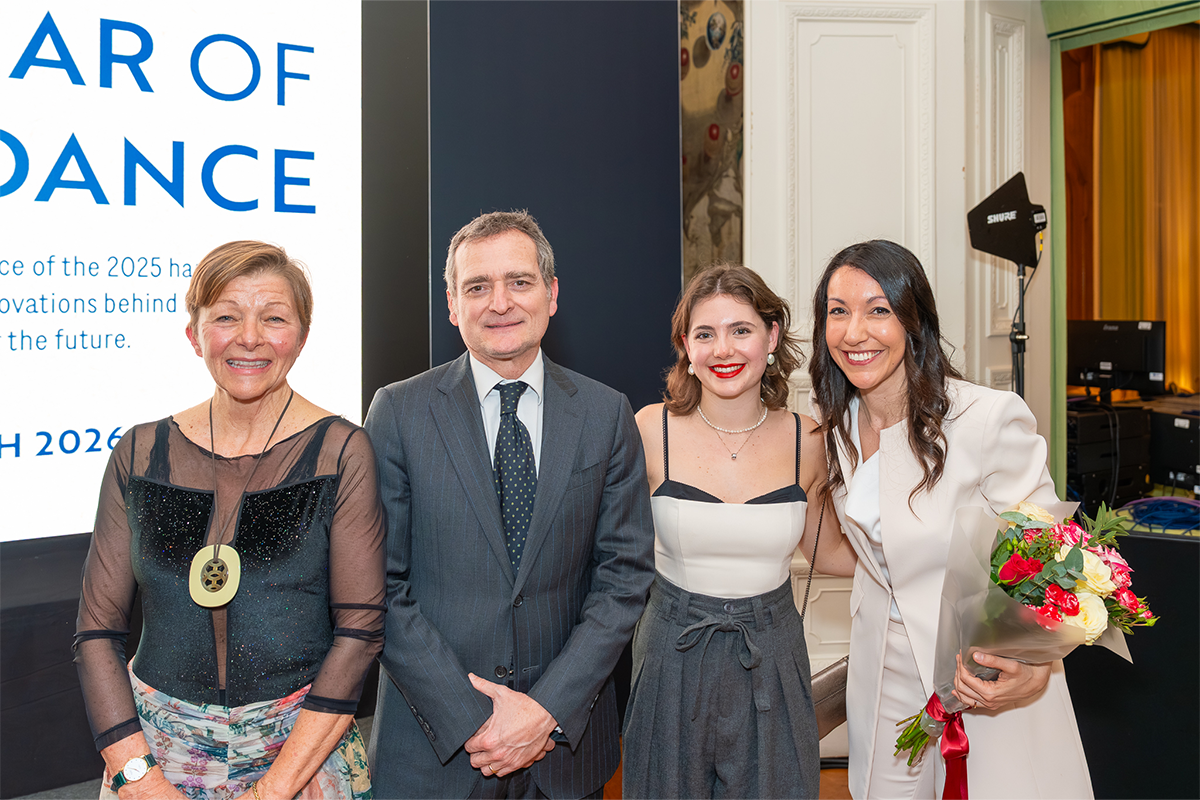
On 12 March, Atlante hosted a private screening at the Italian Embassy in London that brought together producers, partners and professionals from across the food industry to reflect on an unusual and significant moment for European agriculture.
At the centre of the evening was The Year of Abundance, an upcoming documentary produced by Atlante, presented by botanist and science communicator James Wong and directed by Natasha Olive. Filmed across Italy, the documentary explores a rare piece of good news: after several difficult years marked by climate pressure, geopolitical instability and supply chain disruption, the 2025 harvest delivered strong production across key Italian staples, including wine, olive oil and durum wheat.
Beyond celebration, the evening opened up a broader question across the industry: what does abundance actually mean in today’s food system, and how should it be managed?
MOMENT OF RELIEF
For much of the past decade, the European food sector has operated under conditions of constraint. Droughts, rising energy costs, logistical disruption and geopolitical tensions have placed sustained pressure on production and pricing.
Against this backdrop, the stronger harvests seen in 2025 offered a welcome moment of relief. Wheat yields recovered, olive oil production stabilised after two difficult years, and several agricultural sectors moved closer to historical averages.
But abundance brings its own complexity.
Higher volumes do not automatically translate into higher value. As supply increases, prices at origin often come under pressure, while producers continue to face elevated operating costs, from energy and labour to regulatory compliance. In some cases, this can reduce margins to the point where reinvestment becomes more difficult, even in a strong year.
There is also a physical dimension to the challenge. Agricultural products are inherently time-sensitive. Olive oil oxidises, grains absorb moisture, grapes require rapid processing. When volumes increase suddenly, the ability of infrastructure – such as storage, logistics and processing – to keep pace becomes critical.
Abundance, in this sense, is not simply a surplus. It is a test of the system’s capacity to absorb, manage and preserve value.
VOLUME TO VALUE
As Natasha Linhart, CEO of Atlante, has argued, the key challenge is not producing more but transforming abundance into lasting value across the supply chain.
This requires a shift in mindset.
In periods of scarcity, the priority is securing supply. When production is strong, the focus must shift to managing that supply intelligently, through strategic stock planning, quality differentiation and market positioning.
One of the most important levers is the valorisation of quality and origin. Italian food is built on a strong foundation of provenance, craftsmanship and regional identity. From the polyphenol content of extra virgin olive oil to the territorial specificity of PDO and PGI products, these attributes become even more important when volumes are high and price competition intensifies.
Rather than allowing abundance to drive commoditisation, there is an opportunity to reinforce the value of what makes these products distinctive.
SYSTEMS & EXPORT
Turning strong harvests into opportunity depends on the systems behind production.
Investment in logistics, storage and digital infrastructure improves visibility, planning and efficiency across the supply chain. At the same time, circular approaches are becoming increasingly relevant. Surplus does not have to mean waste – it can be redirected into new uses, creating additional value streams.
None of this can be achieved by a single factor. As reflected in the Embassy discussion, resilience depends on coordination across the value chain, from farmers and producers to distributors, retailers and export partners.
Export also plays a critical role. Domestic markets alone are often insufficient to absorb increases in production without exerting downward pressure on prices. Expanding into new geographies helps balance supply and demand while reducing risk.
Asian markets in particular – including Japan, South Korea and Vietnam – are showing strong demand for high-quality, traceable food products, aligning well with European standards and reputation.
The Embassy event also highlighted the importance of partnerships in making this system work.
The documentary was made possible through collaboration with producers such as Montalbano (olive oil), Alma Wines and Casillo Group (wheat), reflecting the diversity and expertise behind Italian food production.
For companies operating between production and retail, the challenge is to connect these producers with the right markets, in ways that preserve both quality and value. In this sense, the role of intermediaries is not simply logistical, but strategic, shaping how products are positioned and understood.
LOOKING AHEAD
If there was clear message that emerged, it is that abundance should not be seen as the end of a cycle but as a moment to act.
Periods of strong harvest provide a window in which to invest, in infrastructure, innovation, market development and partnerships. Failing to do so risks repeating a familiar pattern: under-investment in favourable conditions, followed by vulnerability when circumstances shift again.
Used well, however, these moments offer the possibility of building a food system that is not only productive but more resilient and capable of withstanding future shocks while continuing to deliver quality and value.
In that sense, the Year of Abundance is not simply a story about favourable conditions or improved yields. It is a reminder that the real work lies in what comes next.
And perhaps that is what made the Embassy evening feel so timely – not just as a celebration of what has been achieved but a shared recognition of the responsibility that comes with it.